4 hr
Khiva Historic Walking Tour
Explore Khiva's walled Itchan Kala, visiting ancient mosques, towering minarets, and sacred shrines
Reserve
Navigate the walled city's madrasas and minarets, where every alley holds eight centuries of history.
Hand-picked by our editors — only the best 4 walking routes from 12 reviewed.
Verified partners for Khiva Walking tours, free cancellation where available, and instant confirmation on every booking.
4 hr
Explore Khiva's walled Itchan Kala, visiting ancient mosques, towering minarets, and sacred shrines
Reserve
3 hr
Journey through Khiva's walled UNESCO heritage quarter with a knowledgeable local guide
Reserve
2 hr 30 min
Step into the living museum of Ichan Kala and uncover centuries of Silk Road heritage with a local expert
ReservePrices from verified partners. Availability updates in real time at checkout. Free cancellation policies apply where shown.
The landmarks, rooms, and views travelers on Khiva Walking tours remember — all visible on a single visit.
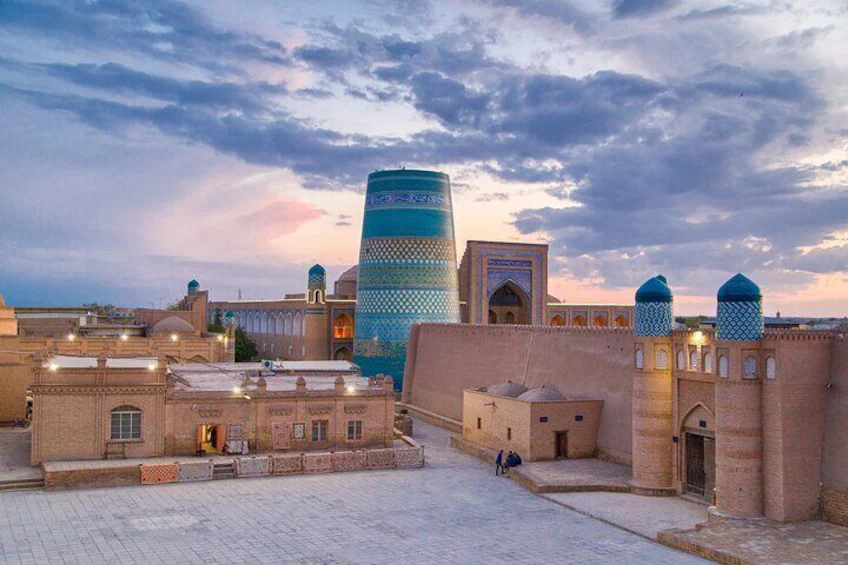
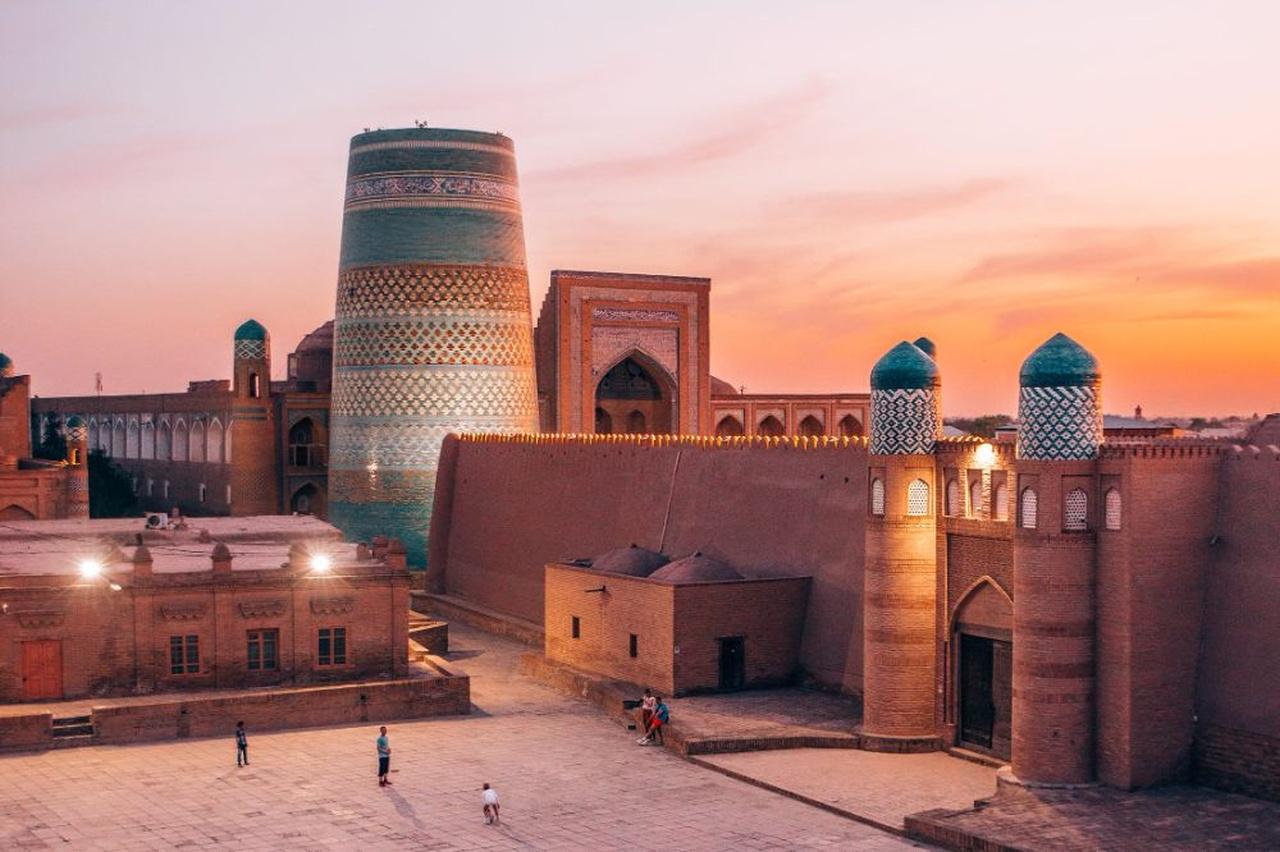
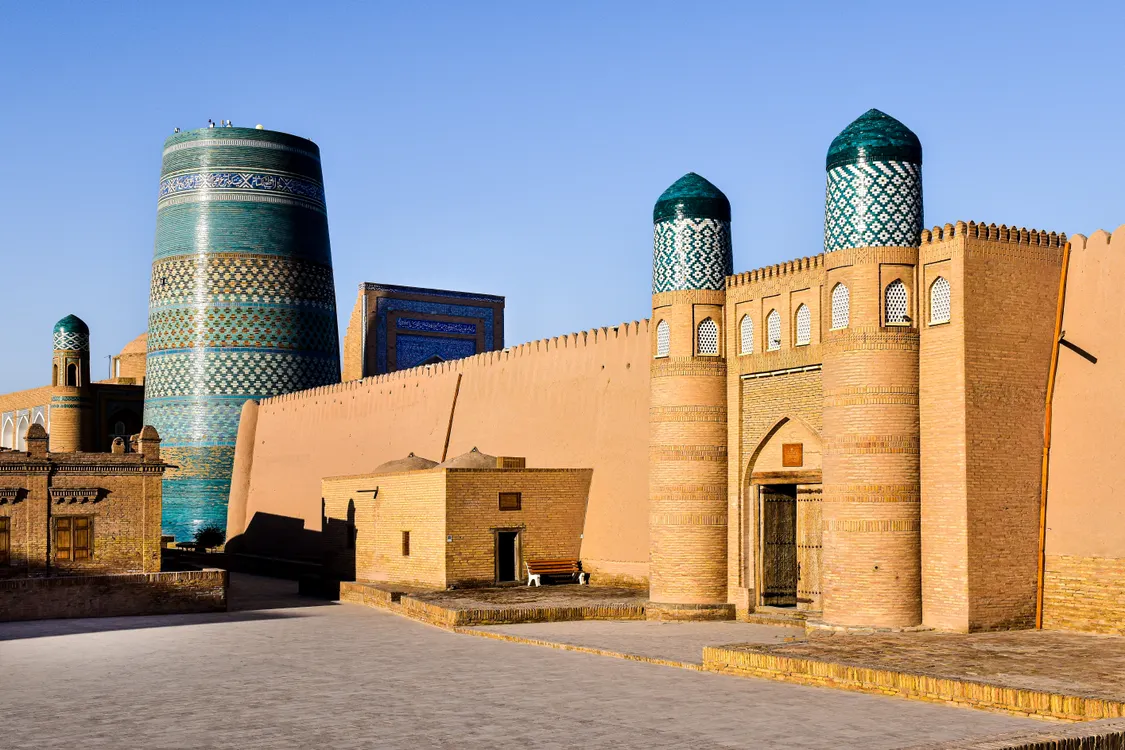
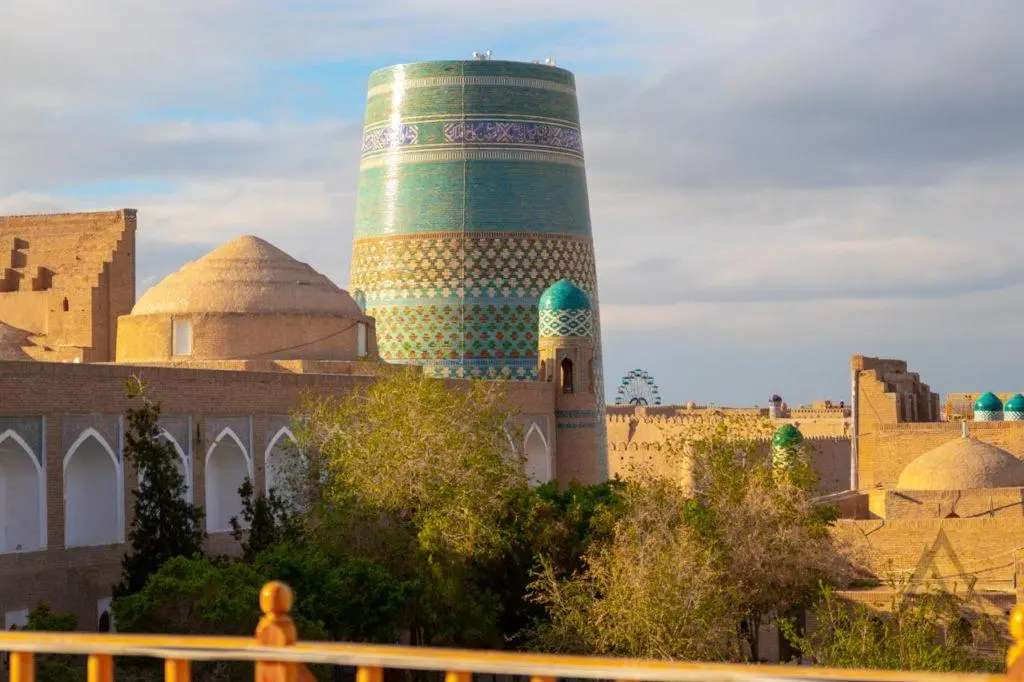
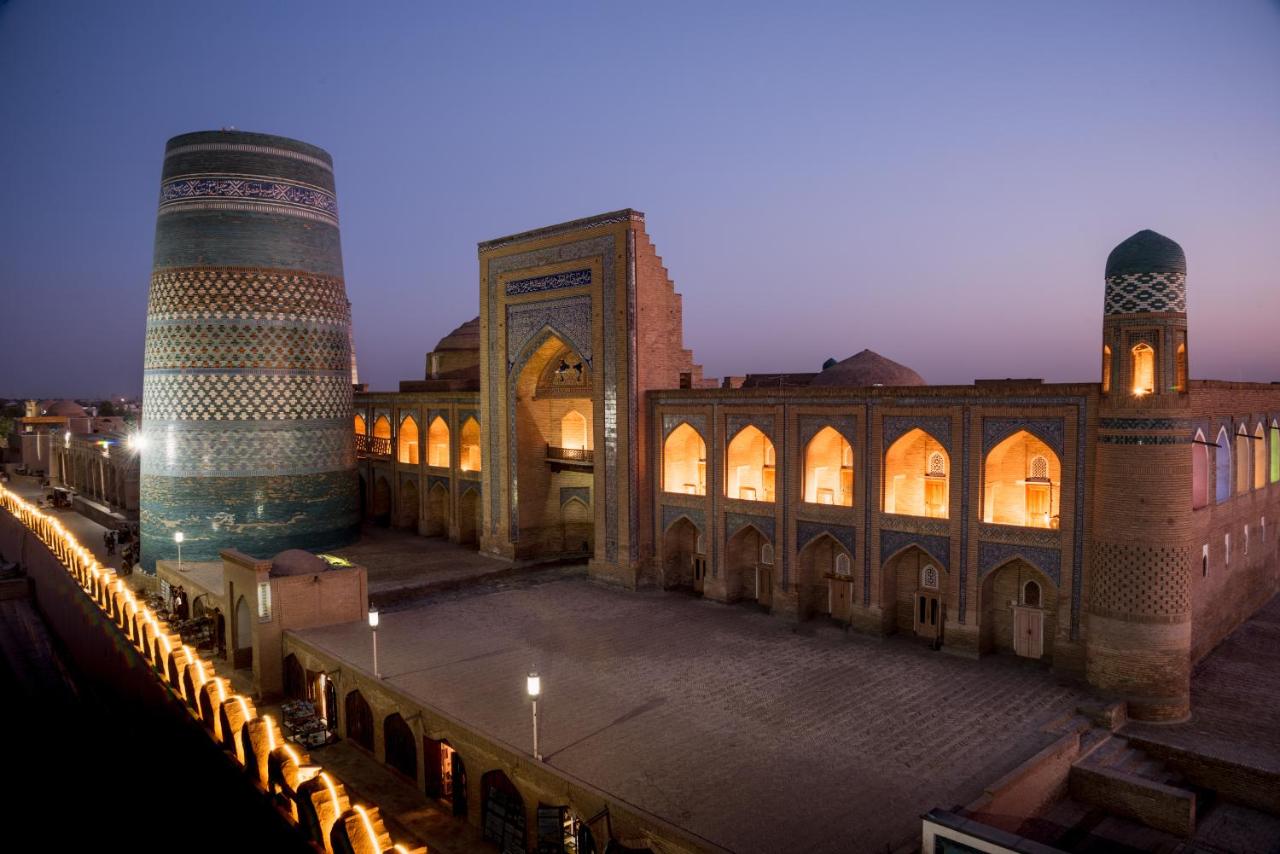
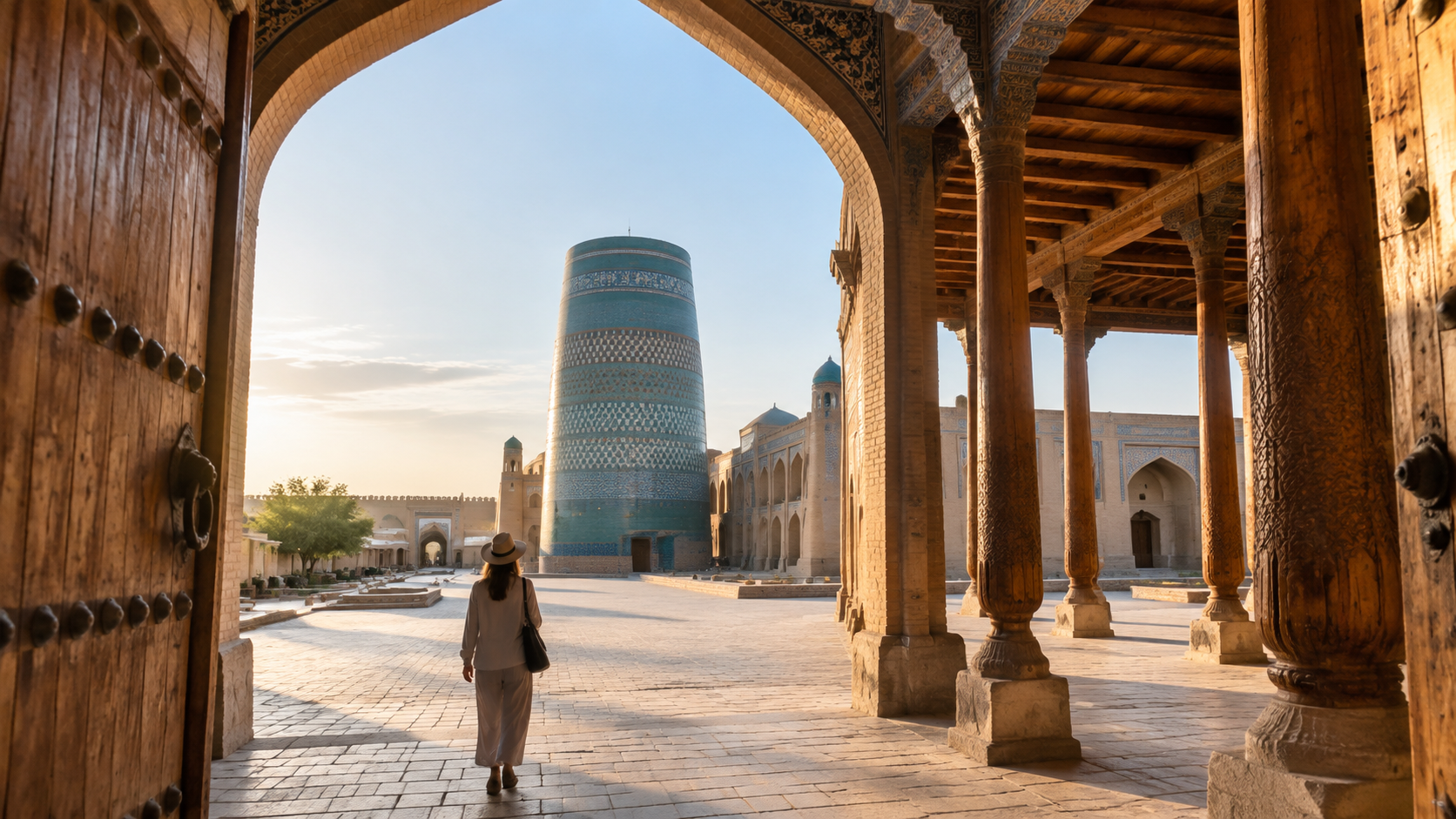
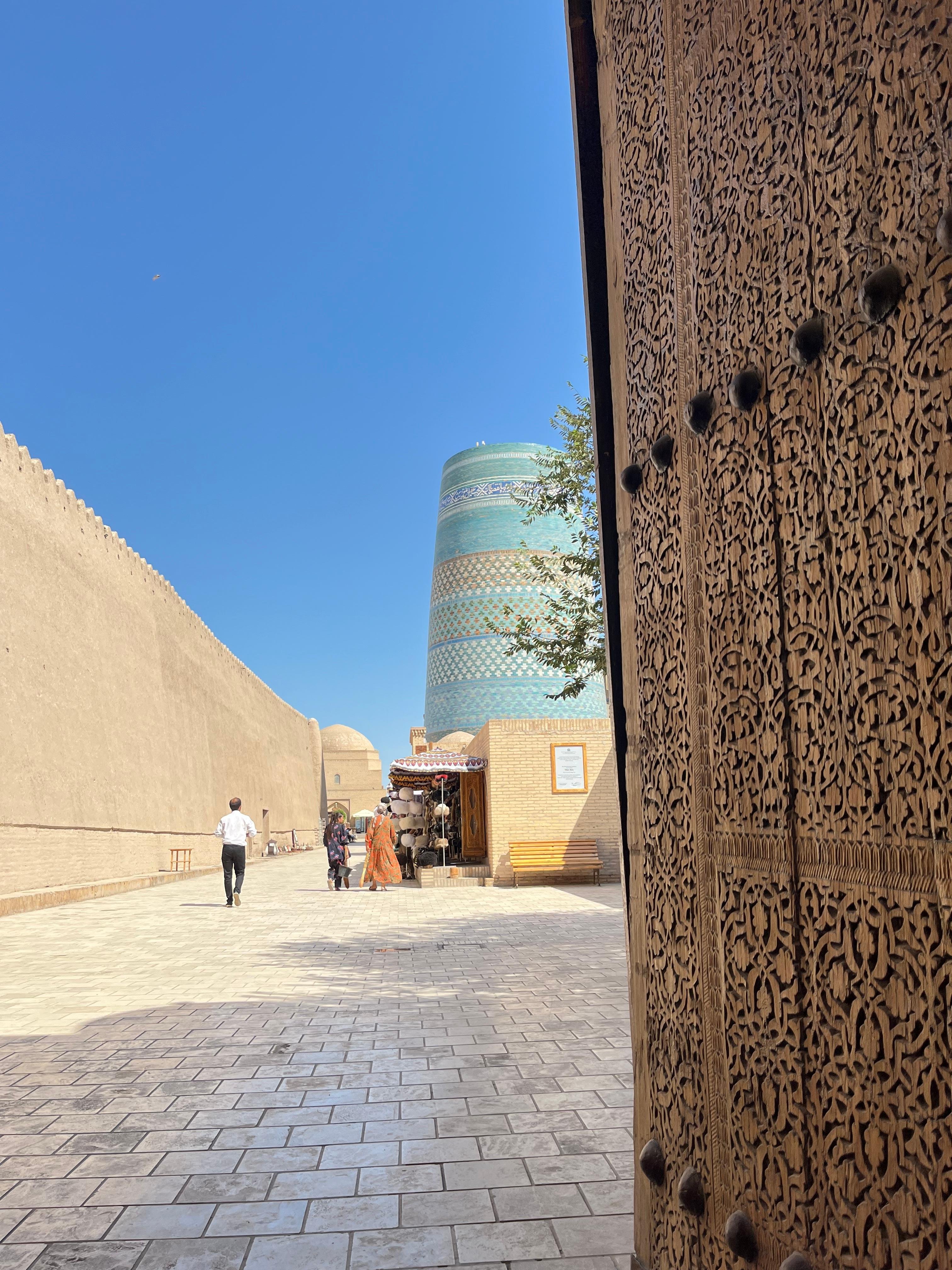
Commissioned in 1851, this tower was intended to be the tallest in Central Asia but remains unfinished at 29 meters.
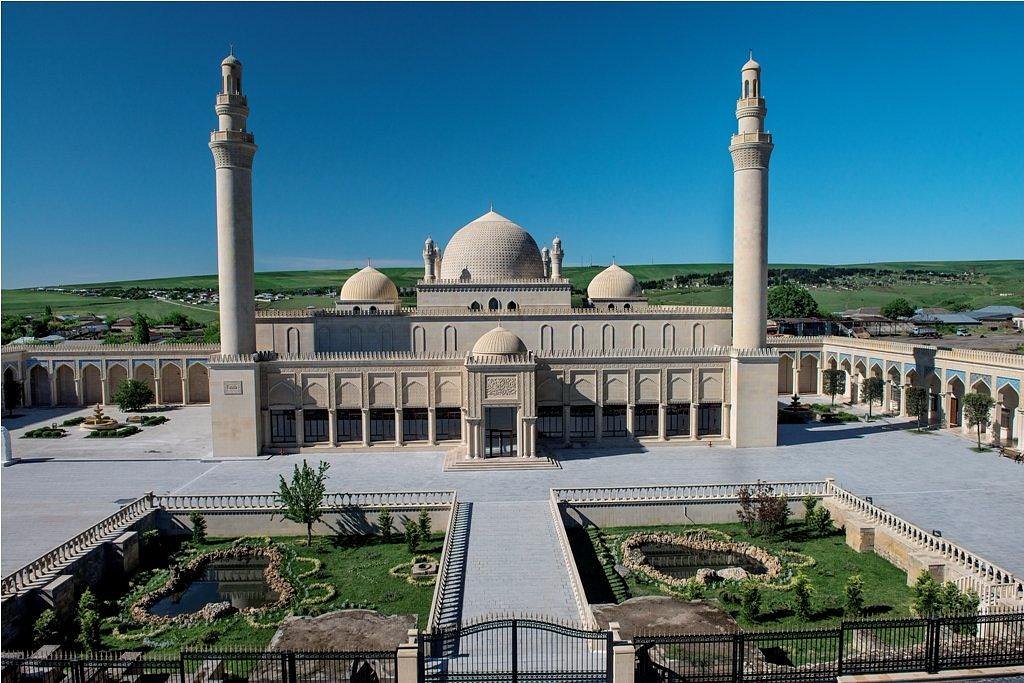
This structure contains 213 wooden columns, some dating back to the 10th century, which support the expansive roof.
This fortress served as the residence for the rulers of Khiva and houses a mint, mosque, and armory.
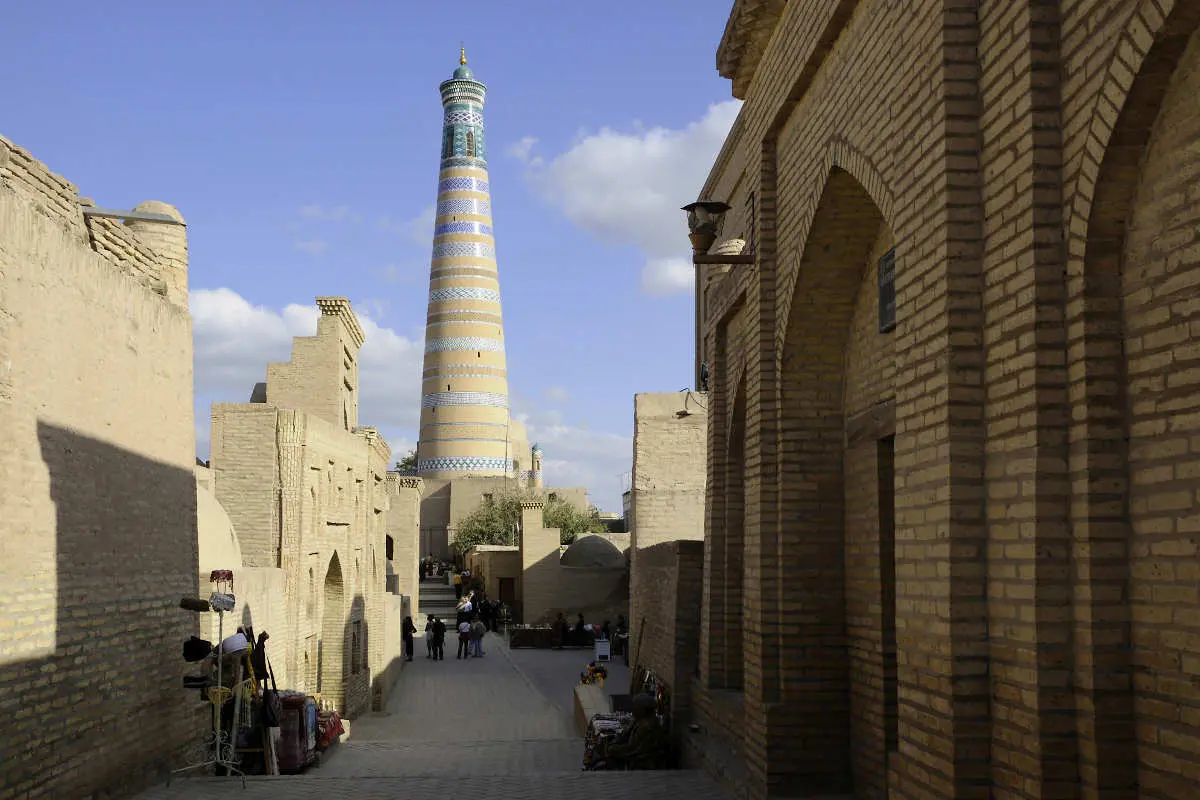
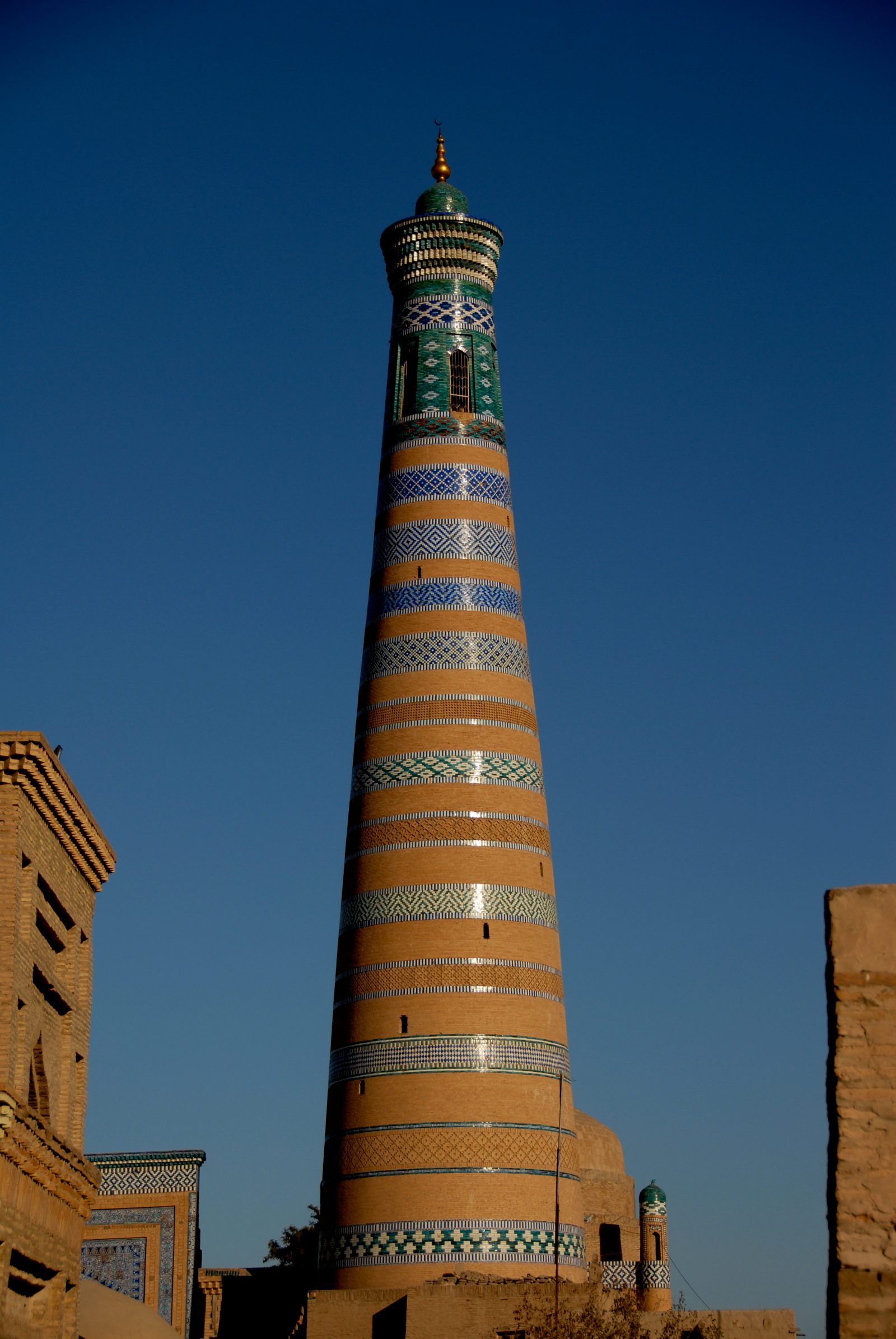
Standing at 45 meters, this is the tallest minaret in Khiva, offering an observation deck at the top.
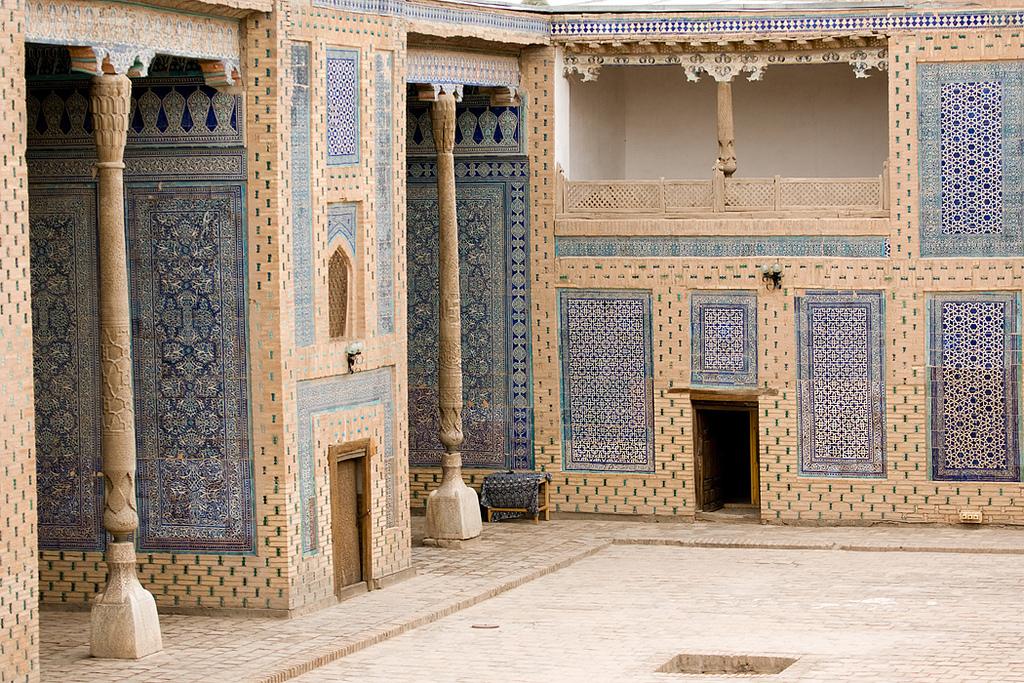
Dedicated to the patron saint of Khiva, it features stunning blue tilework and a serene courtyard atmosphere.
Every Khiva Walking tour side-by-side — duration, what's included, how you redeem.
| Experience | Duration | Rating | Skip-the-line | Guide | Small group | Free cancel. | Price | |
|---|---|---|---|---|---|---|---|---|
|
Guided Experience Most popular
Khiva Historic Walking Tour
|
4 hr | ★ 4.6 | ✓ | ✓ | ✓ | ✓ | €13 | Book → |
|
Guided Experience
Ichan Kala Guided Walking Experience
|
3 hr | ★ 5.0 | ✓ | ✓ | ✓ | ✓ | €21 | Book → |
|
Guided Experience
Khiva Old Town Walking Tour
|
2 hr 30 min | ★ 4.6 | ✓ | ✓ | ✓ | ✓ | €19 | Book → |
All prices from verified partners. Availability and exact terms confirmed at checkout.
Professional guidance provides deeper narrative engagement with the Ichan Kala UNESCO heritage site, whereas independent exploration allows for a more fluid pace. They complement each other; most visitors who do both call the guided khiva walking tour the more informative experience.
| Feature | Top pick Guided Tour | Independent Exploration |
|---|---|---|
Guided Depth |
Comprehensive expert narration | Limited to personal research |
Flexibility |
Fixed schedule and itinerary | Complete freedom of movement |
Cost Efficiency |
250,000 UZS combined fee plus guide | 250,000 UZS combined fee only |
Historical Context |
In-depth architectural and cultural stories | General signage and interpretation panels |
Navigation Ease |
Direct access to main landmarks | Requires self-reliance and map usage |
Social Interaction |
Group learning environment | Solitary or private travel experience |
| See tickets → |
Verdict: Securing khiva walking tour tickets is recommended for those prioritizing structured storytelling, while independent exploration better serves travelers seeking to navigate the khiva walking tour tours at their own rhythm.
Choose your ticket, select your date, and reserve in under two minutes. Secure checkout handled by our verified partner.
Instant confirmation by email, with a mobile voucher you can save offline. No printing, no queuing at a collection desk.
Arrive at the entrance, show your voucher on your phone, and walk in. Most tickets include priority or skip-the-line access.
Practical details for Khiva Walking tickets straight from our verified partners — hours, access, rules, and how to get there.
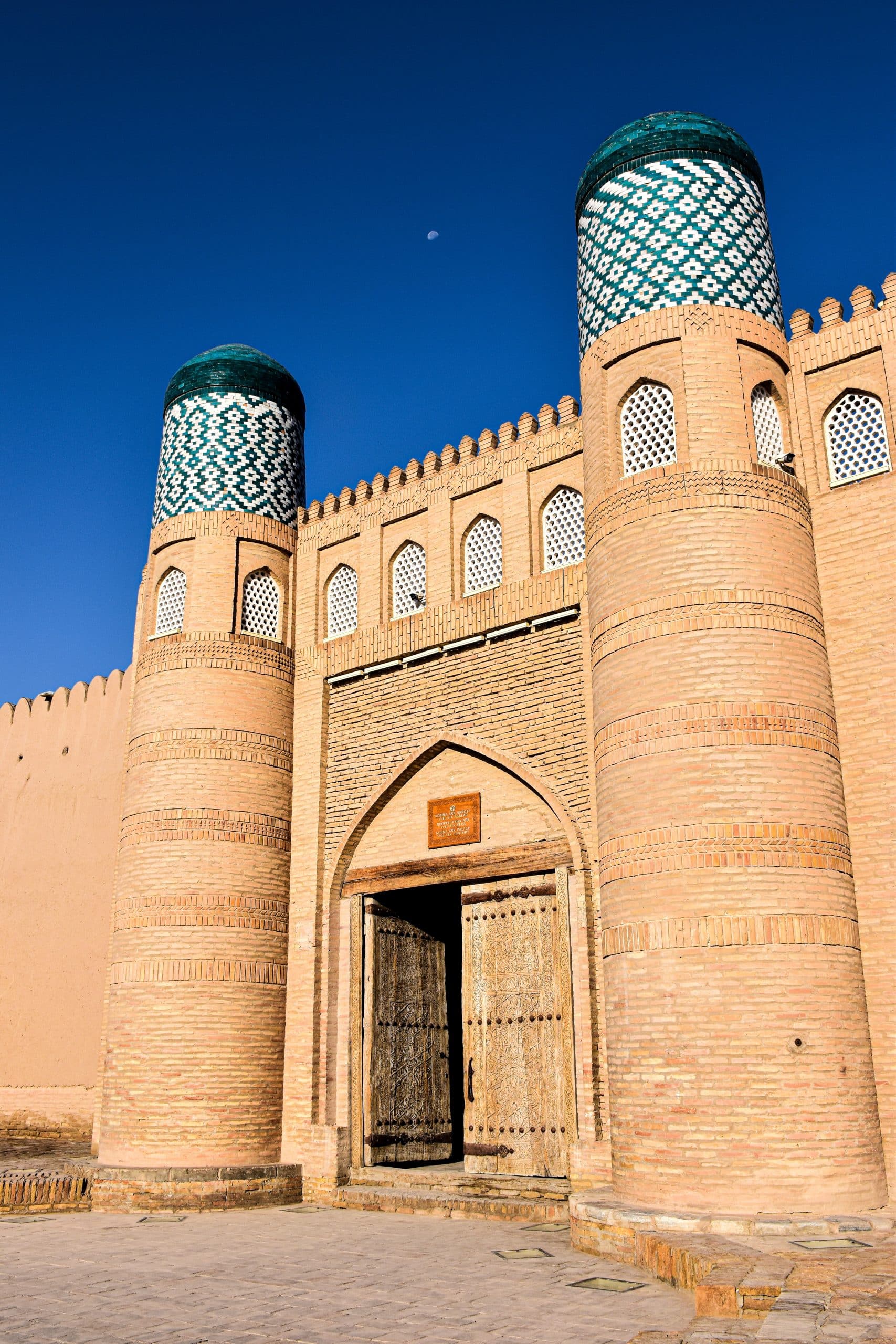
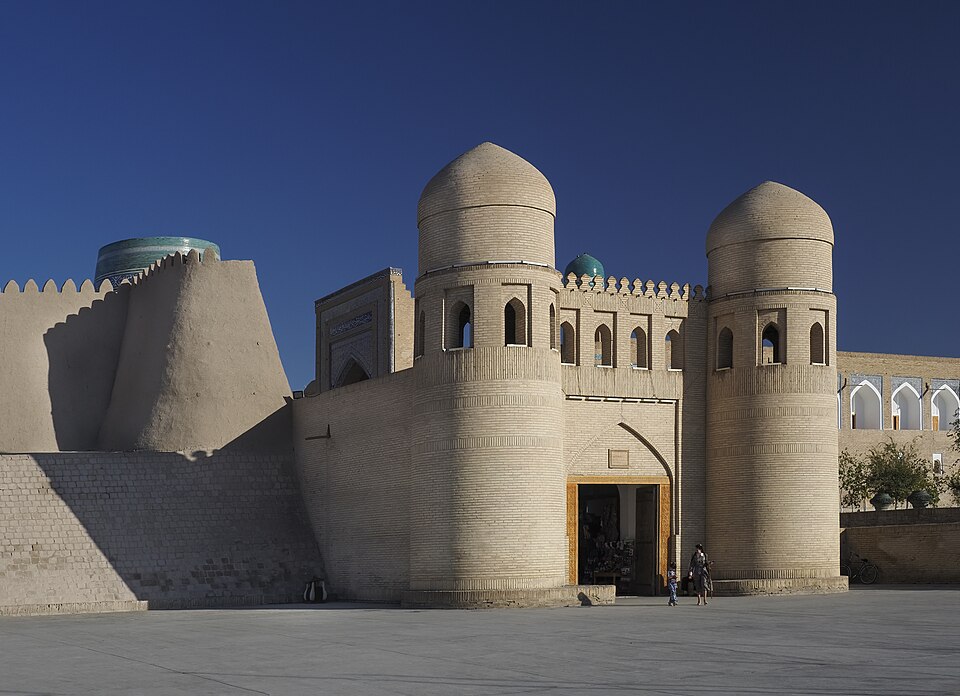
West Gate of Ichan Kala
Main entrance meeting spot
Open in Google MapsUrgench International Airport to Khiva; 30 min duration.
Modest attire is requested when entering active religious sites within the Ichan Kala. Shoulders and knees should be covered for both men and women.
Small daypacks are permitted during your khiva walking tour. Security personnel may perform visual inspections at the main city gates.
Photography is permitted in most outdoor areas of the Ichan Kala. Some interior museum sections require a separate small permit for professional equipment.
The ancient terrain consists of uneven brick paths and historic stones. Wheelchair access is challenging in several monument interiors but the main streets are navigable.
Mobile phone use is permitted throughout the complex. Reception is generally stable near the North and West gates.
The walled city is pedestrian-friendly, making it suitable for walking with children. Ensure little ones stay hydrated throughout the khiva walking tour.
Numerous traditional teahouses are located within the Ichan Kala walls. Carrying a reusable water bottle is recommended to stay hydrated during your khiva walking tour.
Animals are not permitted inside the museums or historic religious monuments. Service animals should be kept on a leash in public areas.
The khiva walking tour allows you to experience UNESCO heritage sites at your own pace. Plan for at least four hours to see the major architectural features.
Best time to go, insider tips, nearby landmarks, and the cancellation fine print — flip through to skim what matters to you.
How crowds, weather, and events shift across the year.
Mild temperatures make this ideal for long walking tours.
Small details that turn a good visit into a great one.
Carry water as shade is limited during peak hours.
Non-bookable sights within a short walk — free to visit, easy to pair.
An unfinished blue-tiled tower commissioned in 1851.
Flexible, no hidden fees.
Standard combined entry tickets for 250,000 UZS are non-refundable after purchase. Please verify your travel dates before finalizing your khiva walking tour.
Hand-picked options within walking distance — pick a district for vibe, or a specific hotel for convenience.
Located near the East gate with traditional decor.
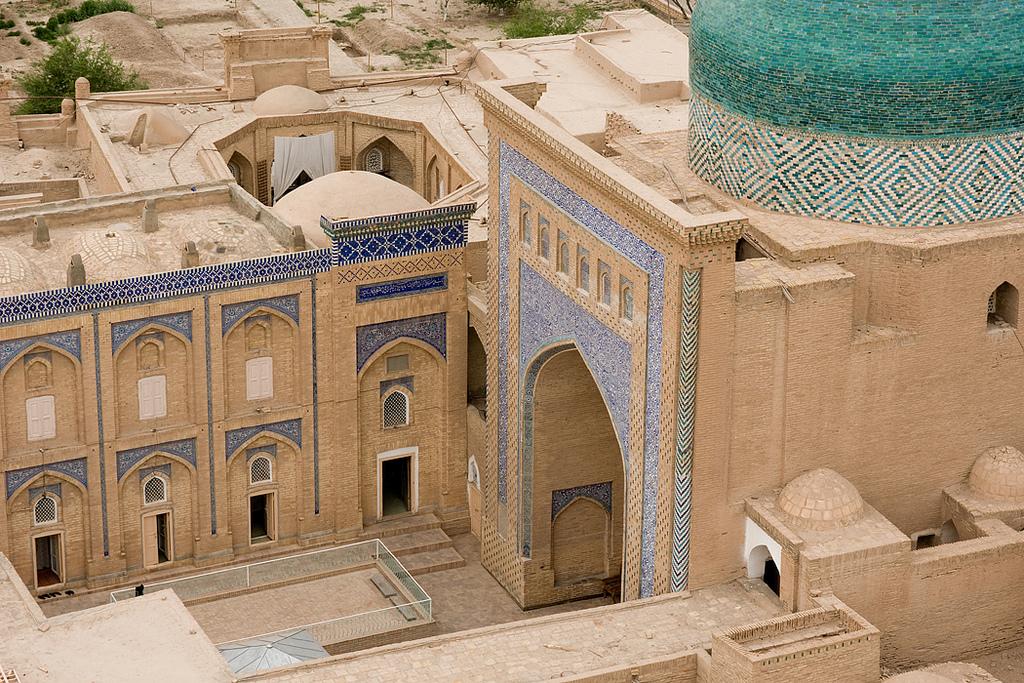
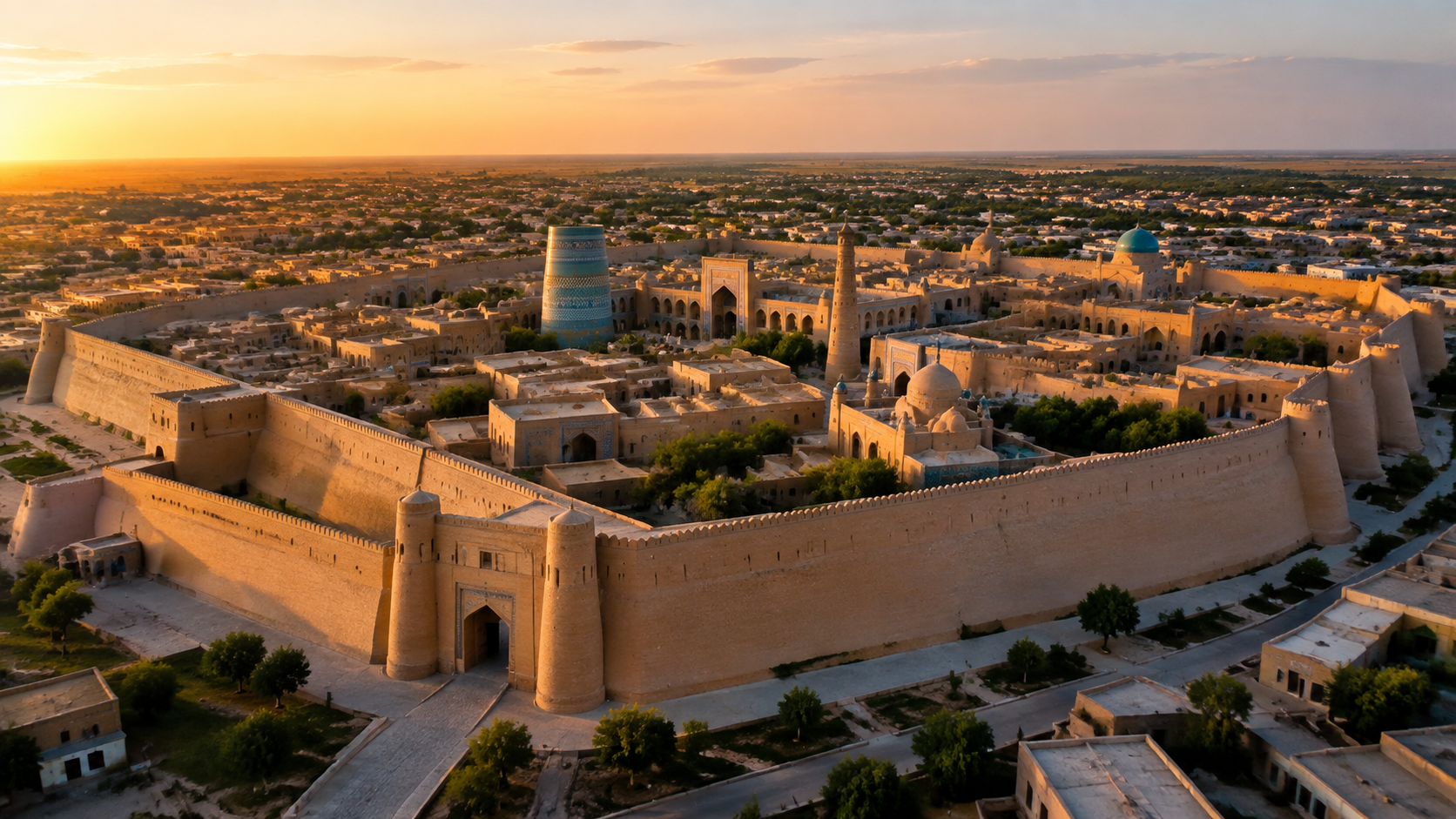
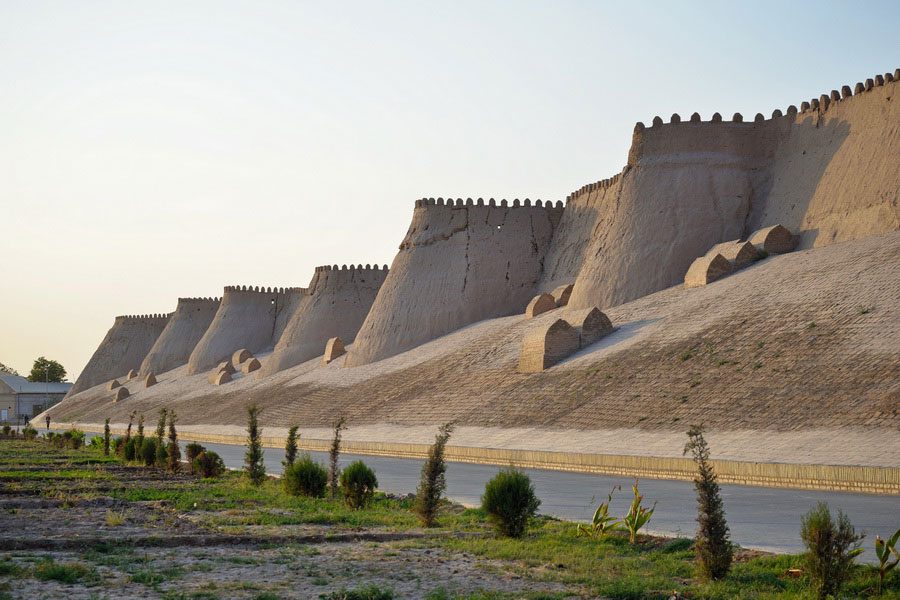
Ichan Kala's mud-brick walls enclose 51 monuments within 26 hectares, making it Central Asia's most concentrated medieval Islamic townscape.
Founded in the fifth century and rebuilt after Mongol destruction in 1220, the fortress became the capital of the Khiva Khanate in 1592 and remained so until Russian annexation in 1873. UNESCO inscribed the site in 1990, recognizing its intact ensemble of mosques, madrasas, mausoleums, and the 45-metre Kalta Minor minaret that dominates the skyline with its turquoise glazed tiles.
A Khiva walking tour reveals architectural layers spanning the seventeenth to nineteenth centuries. The Juma Mosque, rebuilt in 1788, preserves 218 carved wooden columns, some dating to the tenth century and salvaged from earlier structures. The Tash Hauli Palace, completed in 1838 after eight years of construction, displays 163 rooms arranged around courtyards clad in majolica tilework depicting geometric and floral motifs. The Islam Khoja Complex, finished in 1910, includes Central Asia's tallest minaret at 56.6 metres and offers panoramic views across the walled city and surrounding desert.
Modern visitors navigate the same stone-paved lanes that caravan traders used along the Silk Road. Khiva self guided walking options allow flexible exploration of residential mahallas and craft workshops between major monuments. The combined entry ticket, priced at 250,000 UZS, grants access to twenty key sites and remains valid for two days. Early morning routes between 08:00 and 10:00 avoid the harsh midday sun and afternoon tour groups that converge on the west gate. The compact layout permits thorough exploration within four to five hours, though many extend their stay to capture evening light on the Kalta Minor's unfinished drum.
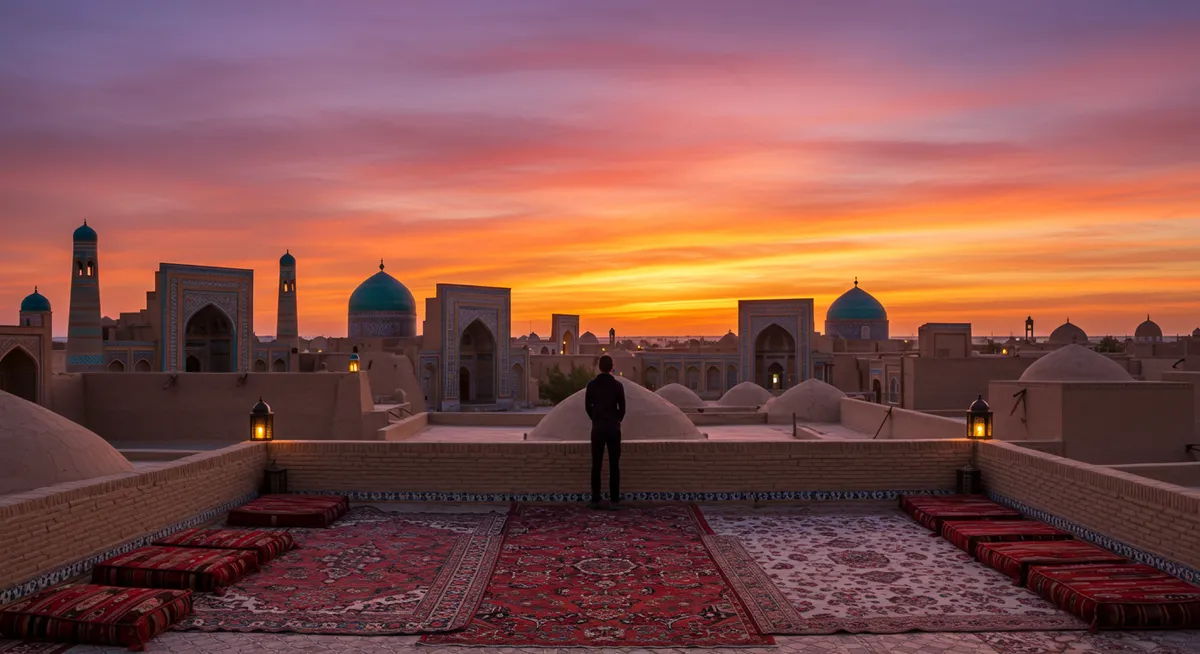
Khiva free walking through public streets and squares complements ticketed monument access. The eastern mahalla preserves active residential quarters where artisans still practice silk weaving and wood carving in family workshops. Autumn months bring moderate temperatures and clear skies that enhance the contrast between earthen walls and blue-tiled domes.

"The combined entry ticket grants access to twenty key monuments and remains valid for two days."
A step-by-step walkthrough of Khiva Walking tickets — what you'll see, how long each stage takes, and the details that matter.
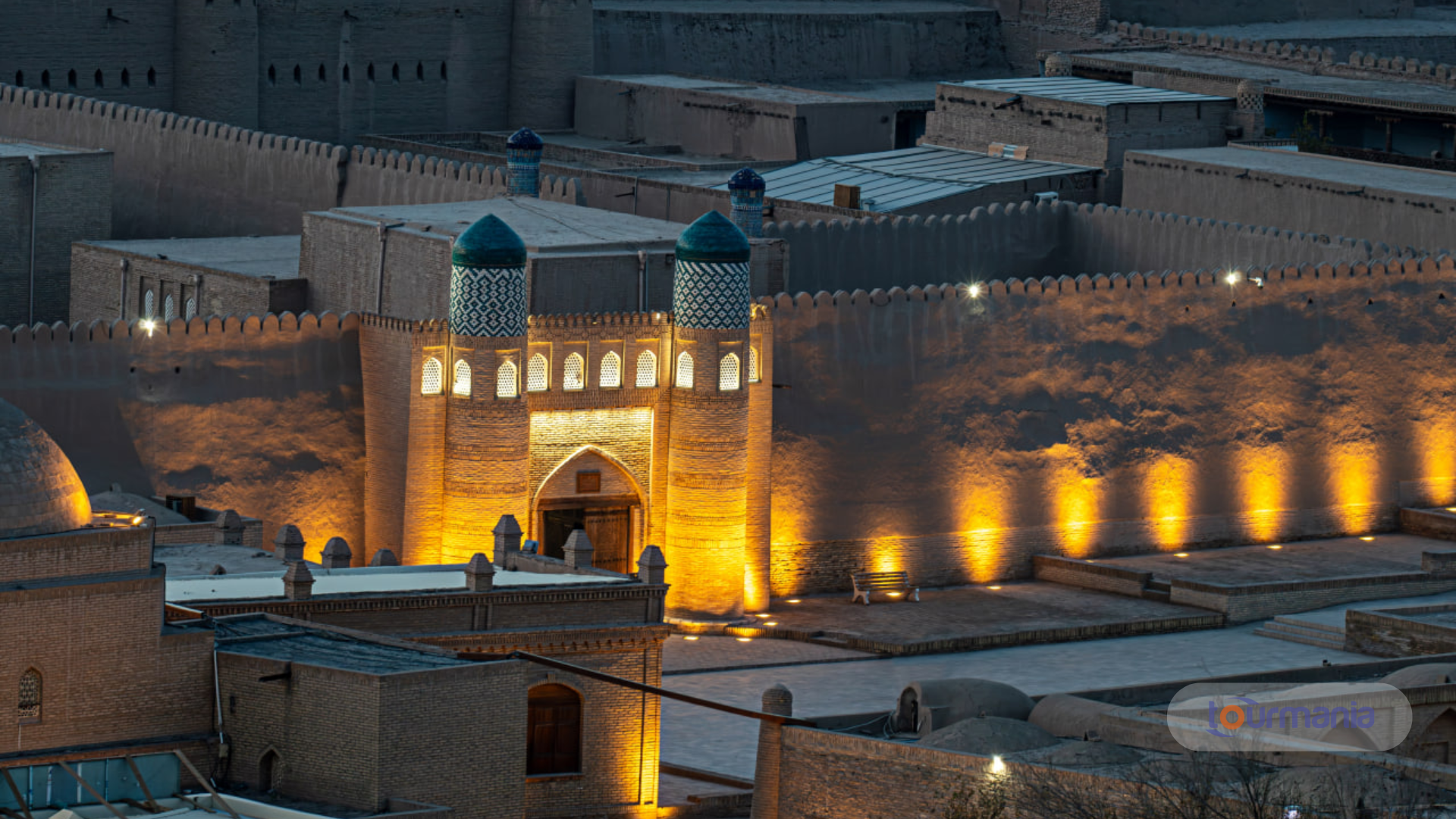
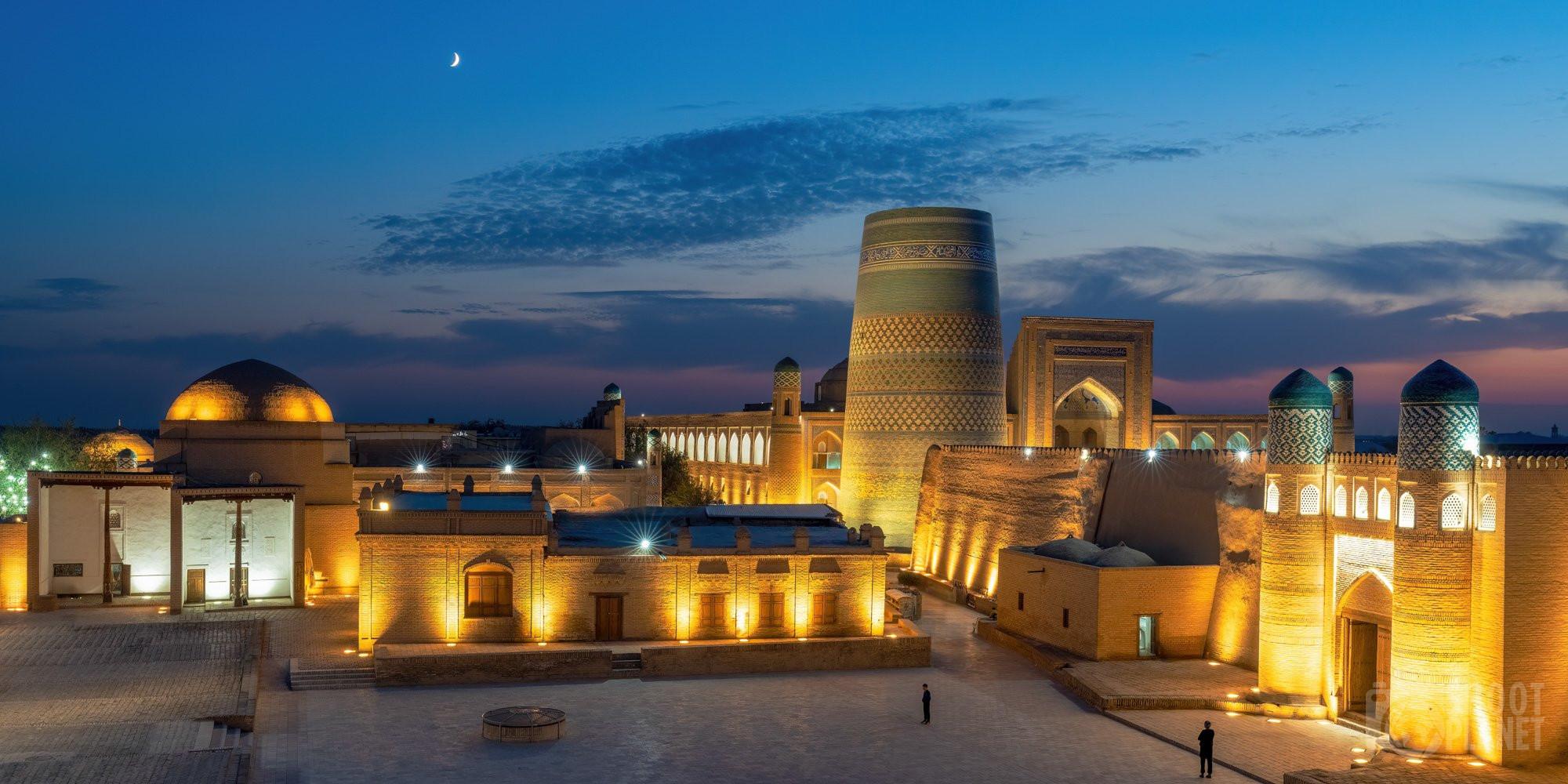
You enter through the western Ota Darvoza gate at 08:00, passing under its vaulted archway into the central square where the Kalta Minor minaret rises before you.
The turquoise tiles catch early light as you walk clockwise toward the Kunya Ark fortress, its throne room displaying nineteenth-century tilework and carved wooden columns. You climb the narrow stairs inside the watchtower for your first overview of the walled city's layout.
Turning south, you reach the Juma Mosque where 218 wooden columns create a forest effect in the dim interior. Your footsteps echo on the stone floor as you examine the carved capitals, each distinct in pattern. The Tash Hauli Palace, five minutes east, opens onto three courtyards where you pause in the harem section to study the majolica panels depicting pomegranates and lotus flowers.
By mid-morning you've reached the Islam Khoja Complex on the eastern edge. The minaret's 118 steps spiral upward in tight turns, delivering you to the observation gallery where desert stretches beyond the city walls. You descend and walk the residential lanes toward the northeast corner, where a Khiva walking tour ticket grants you entry to smaller madrasas and mausoleums before the afternoon heat intensifies.
The site is open daily from 08:00–20:00.
The standard combined entry ticket for major sites within the walled city is 250,000 UZS.
The historic streets feature uneven stone, so strollers may be difficult to navigate in certain areas of the Ichan Kala.
To avoid heat and crowds, the best arrival window is 08:00–10:00.
Private guides can be arranged locally at the main entrance of the Ichan Kala.
Public facilities are available near the main gates and at larger museum complexes.
Modest clothing covering shoulders and knees is recommended for this cultural landmark tour.
Yes, photography is permitted outdoors throughout your khiva walking tour.
Yes, there are several traditional cafes and teahouses located within the Ichan Kala walls.