
English| EUR
Suggested for you
More currencies
Choose a language
The term khiva free walking tour describes tip-based group walks led by local guides inside Ichan Kala's walled city. These tours operate on gratuity rather than fixed admission, though visitors still pay the 100,000 UZS entry ticket to enter the UNESCO site itself. Understanding the tipping structure and logistics ensures a smooth experience.
Quick answer
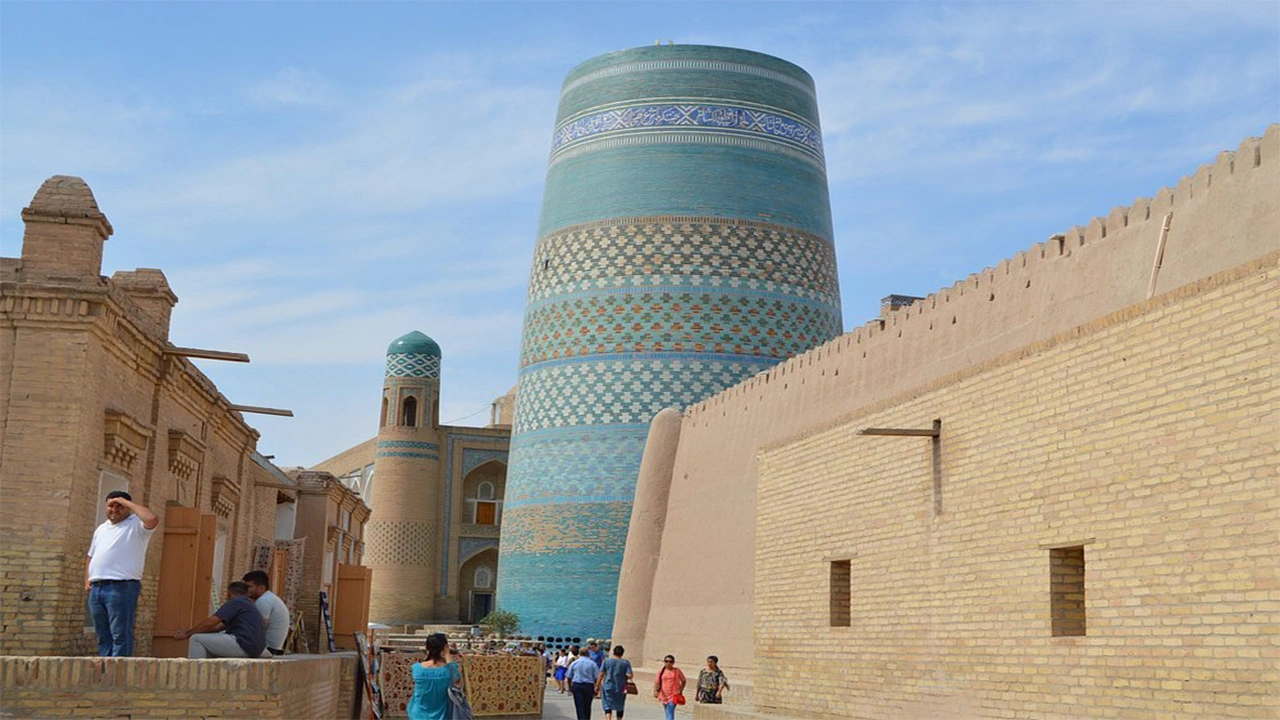
A khiva free walking tour typically means no upfront booking fee—guides work for voluntary tips given at the end, usually 50,000–100,000 UZS per person for a two-hour walk. The 100,000 UZS Ichan Kala entrance ticket remains mandatory and is paid separately at the gate. Tours often meet near the West Gate between 09:00 and 10:00, covering major landmarks like the Kalta Minor Minaret, Juma Mosque, and the Tash Hauli Palace courtyard.
No admission turnstile records the names of freelance guides leading small groups past the turquoise tiles of the Kalta Minor Minaret each morning. The phrase khiva free walking tour borrows the tip-based model common in European cities but adapts it to the commercial realities of Uzbekistan's Silk Road heritage sites. Guides rely entirely on end-of-tour gratuities, and the unspoken economy runs on a blend of hospitality tradition and tourist-season income compression. The 100,000 UZS site entry fee—valid for two days and collected at Ichan Kala's gates—is never waived, regardless of whether a guide charges upfront. That ticket grants access to the madrasas, mausoleums, and the Friday Mosque's wooden columns, but it does not include narrative interpretation. Free-tour guides fill that gap, offering context on Khivan khanate history, Soviet restoration projects, and the caravan routes that once terminated inside these walls. Most walks last ninety minutes to two hours and cover six to eight monuments, ending near the Islam Khoja Minaret. Tipping norms hover between 50,000 and 100,000 UZS per participant, though group size and tour length shift expectations. A guide leading four people for ninety minutes may accept less per head than one walking two visitors for three hours. Cash payments in sum remain standard; card readers and digital wallets have not yet penetrated the informal guide economy. Some operators request tips in dollars or euros, converting at the day's bazaar rate rather than the official bank figure. Tours typically depart between 09:00 and 11:00 to sidestep the midday furnace heat that bakes the clay lanes by 14:00. Meeting points cluster near the West Gate or the Kunya-Ark citadel entrance, where guides hold signs or call out destinations in English, Russian, and halting German. Advance reservation is rare—most tours operate on a walk-up basis, filling groups as visitors trickle through the gate. A khiva free walking guide working the morning circuit may lead two or three consecutive groups if demand warrants, compressing the lunch hour into a fifteen-minute break.
“The 100,000 UZS site entry fee is never waived, regardless of whether a guide charges upfront.”
Visitors often search for complimentary tour options in Ichan Kala, but the informal nature of local tourism frequently leads to misunderstandings regarding service availability. It is important to distinguish between organized guided experiences and unregulated independent offers.
MythThere are official daily free walking tours in Ichan Kala.
FactNo formal free walking tour infrastructure exists within the city, and visitors should exercise caution with unverified independent operators.
MythAll individuals offering tours inside Ichan Kala are certified government guides.
FactWhile many guides are licensed, not all individuals approaching tourists in the city carry official credentials or authorization.
MythYou can join a group tour at any time of day without reservation.
FactThere is no standardized schedule for tours; visitors interested in professional guidance should arrange services through verified platforms to ensure reliability.
Access to Ichan Kala requires an official entrance fee for all foreign visitors. This ticket covers entry to the site and is independent of any private guide services or walking tours.
Verdict: A typical adult visitor pays 100,000 UZS, which covers two days of general access to the walled city.
Ichan Kala is open daily to visitors, providing consistent access for those participating in walking tours. Standard operating hours apply throughout the week.
Everything you need to know about khiva free walking tour
While you may find individuals offering to show you around, a formal khiva free walking tour does not exist as a standard organized service. Most reputable guides in the region operate on a professional basis rather than a gratuity-only model. You should clarify the scope and cost of any service before starting your journey through the UNESCO heritage site.
If you engage a local guide for a khiva walking tour, tipping is a common way to show appreciation for their expertise. A gratuity of 10 to 15 percent of the agreed service fee is generally considered appropriate. Ensure you carry small denominations of local currency to make this process easier at the end of your visit.
The entrance fee for Ichan Kala is 100,000 UZS and this covers your standard entry ticket for foreign visitors. This fee is valid for two days and is distinct from any guide service fees you may negotiate. Be sure to retain your ticket throughout your exploration of the historic city walls and minarets.
To arrange a professional guide for your Khiva landmarks experience, it is best to book through reputable local tourism platforms or your accommodation provider. This ensures you are connected with certified professionals who provide deep context about the intricate tilework and ancient architecture. Planning ahead allows you to secure a guide who fits your specific language and schedule needs.
Walking tours of Ichan Kala are generally suitable for children, though the terrain consists of uneven stone paths and historic surfaces. The open-air museum environment allows families to explore at their own pace without the pressure of strict itineraries. We recommend wearing comfortable walking shoes and keeping children hydrated during the warmer months of the year.
When preparing for your visit to these Uzbekistan landmarks, bring sun protection, a water bottle, and your passport for identity verification if requested. The area is best navigated during the early morning to avoid the heat and larger tour groups. Dressing in layers helps you adapt to the changing temperatures as you move between shaded courtyards and exposed squares.